The Significance of Back-To-School Shopping
Accounting for 17.2% of national retail sales, back-to-school shopping is the second largest retail holiday only trailing the winter holiday season. Finding a niche within this period can be lucrative, but back-to-school marketing is a little more complicated than it seems.
The Back-to-School Environment:
Let’s start with a little bit of background to see why studying the environment during this season is important.
Firstly, states have different school starting dates, ranging from as early as July 20thin Arizona to September 9thin New York and Oregon, and Families also vary in when they begin back-to-school shopping.
Almost a quarter of families choose to start back-to-school shopping “at least two months before school starts”, but about one-fifth of families decide to start their back to school shopping only “one to two weeks before school starts”(HubSpot).
Ultimately, back-to-school shopping can start as early as April and end as late as September depending on the state the student lives in, and when his/her family chooses to begin shopping, , the product category being purchased (HubSpot).
Additionally, back-to-school shoppers also tend to behave a little differently than usual consumers. For starters, they become exceedingly price sensitive with “finding the lowest price” becoming the most important priority for consumers of all age groups.
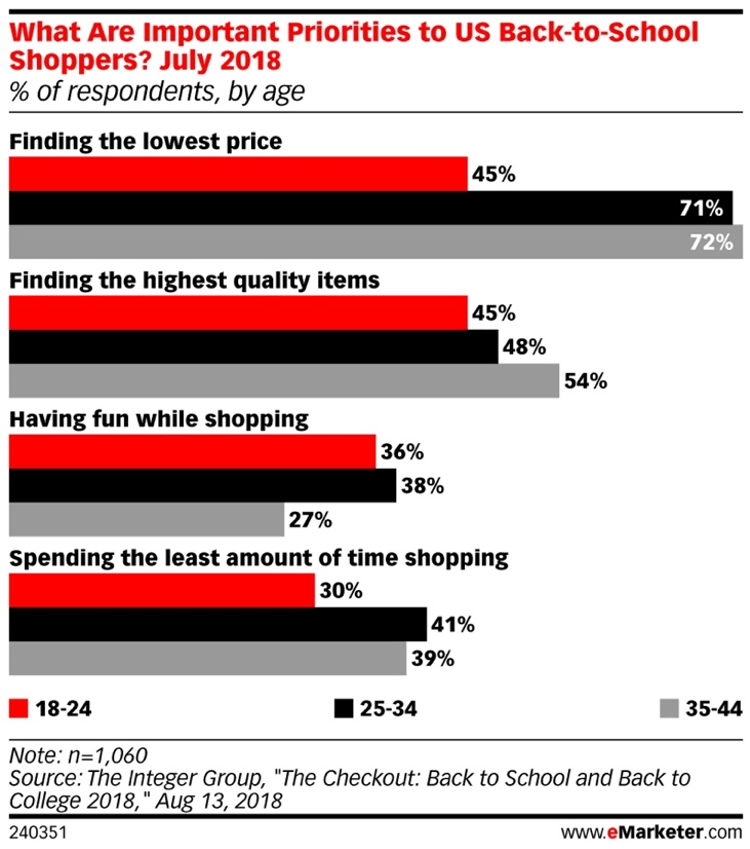
And this remains consistent along income levels with a 2018, a Deloitte survey found that regardless of income level, back-to-school shoppers tend to shop at “price sensitive retailers” over “premium retailers” (Deloitte). Overall, 62% of back-school-shoppers are actively aiming to spend less than they did the previous year (HubSpot).
Another, somewhat odd, tendency of back-to-school shoppers is a heavy preference for brick-and-mortar stores over e-commerce sites.
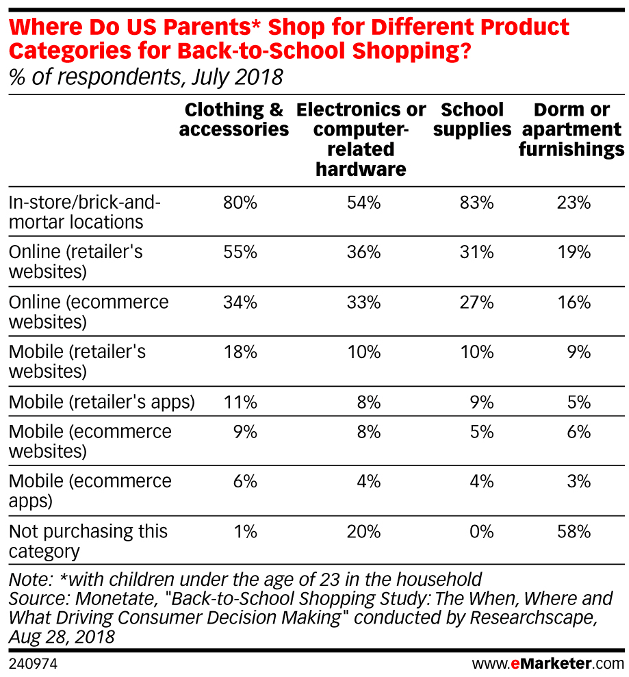
In fact, in 2016 e-commerce only around contributed to about 7.9% of total back-to-school shopping sales. And in 2018, 83%of parents stated that mass merchants were a top shopping destination but only 36% said the same for online-only retailers (Deliotte).
Before you start your campaign:
So, considering these factors, how should you structure your back-to-school shopping campaign? With the help of our team and resident strategy expert, Jennifer Streck, we’ve composed a few tips brands should consider before creating their back-to-school strategy.
Is back-to-school relevant to you?
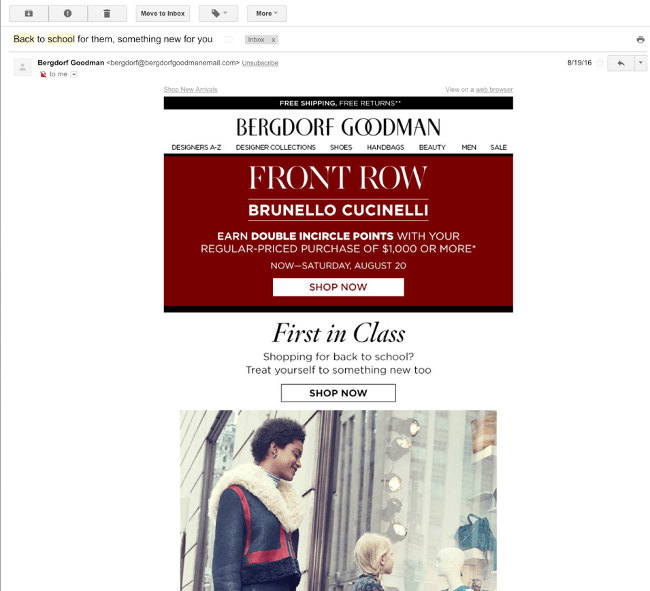
Yes, back-to-school shopping can be lucrative, but first you should ask yourself, would participating in back-to-school marketing be relevant and profitable for your brand? For example, if your brand sells business casual attire, although clothing and accessories is a popular shopping category for back-to-school shoppers, your product may not be relevant to incoming students. Transversely, your brand may be able to play an unlikely role in back-to-school marketing even if your audience isn’t necessarily students. For example an Emma article presents an example of Berdorf Goodman who used back-to-school messaging to target moms with the slogan “Back to school for them, something new for you”.
Find your best time:
As mentioned earlier, back-to-school shopping ranges from April to September. That’s a big window, and different categories are likely to have different peaks. For example, shopping for clothing peaks in July but shopping for school related food products peaks in August (Hubspot). 68% of back-to-school shoppers complete their shopping within a month (Deloitte), so when you choose to market your product or service can significantly impact your bottom line. Because states have varying school start and end dates, you can also attempt to segment your marketing campaigns by states. For example, if you have an email directory consisting of your consumers’ state specific information, you can vary when consumers in different states receive promotional information.
A product for kids can be marketed to moms:
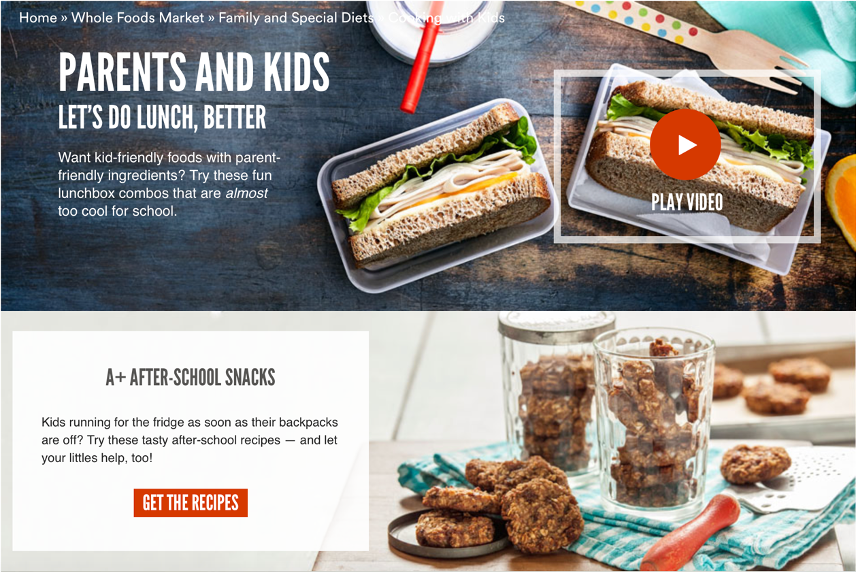
Students may consume your product or service, but parents can play a role in selecting, preparing, and judging it. Whole Foods understands this (Emma). That’s why in this back-to-school campaign, they targeted parents who want to prepare healthy school meals for their children. Similarly, you should consider who your marketing will have the greatest impact on: the student, the parents, or perhaps even another source such as a grandparent.
Everyone Offers Discounts:
All marketers have learned the emphasis back-to-school shoppers put on saving money. How can your brand offer creativeand relevant discounts to benefit your target market? For example, many retailers offer sales on their brand credit cards. This way, retailers can both incentivize their customers to open a credit card with them and offer rewards to their most loyal customers. Many consumer-packaged goods (CPG) brands offer coupons during back-to-school shopping season. Because parents are looking to stock up on school food, coupons ease their financial burden and allow them to buy a higher quantity. Additionally, many states have back-to-school tax free weekends catered specifically for back-to-school shoppers. Promoting your deals on the brink of these weekends could boost your sales. Overall, your discounts should distinguish you from your competition by bolstering the unique benefits of your product.
Think long-term:
Many of your back-to-school sales will be first-time purchases by trial users. If you leverage this time effectively, you may be able to convert many of these consumers into long-term high usage customers. For example, a mother who stumbles upon Whole Food’s marketing could purchase meal supplies from there for the first time. If she has a nice experience and her children enjoy their meals, she could continue shopping there after back-to-school shopping season. Similarly, by focusing on customer satisfaction and long-term benefit, your returns from back-to-school marketing could transcend the shopping season.
Convenience is key:
Why are brick-and-mortar stores so heavily preferred to online retailers during back-to-school shopping in the age of e-commerce? Counterintuitively, one of the reasons is convenience. Brick-and-mortar stores tend to set up back-to-school shopping sections to help guide parents and students through their shopping. This way back-to-school shoppers can see all of the items they need and maybe even find a few more essential items they wouldn’t have otherwise considered at once. Back-to-school shoppers have a large list of items to purchase, so you should make it as easy as possible for them to purchase your product. If you’re conducting your transactions through e-commerce, you can consider setting a temporary “back-to-school” tab on your website.
Content Marketing:
Using content marketing in your back-to-school efforts is an excellent way to distinguish your brand from your competition and highlight the uses your product can have in the lives of students. The complication, as with all content marketing, is publishing content that both aligns with your brand image and is useful to your target audience. Here are a few examples of other brands who successfully used content marketing in their back-to-school strategy.
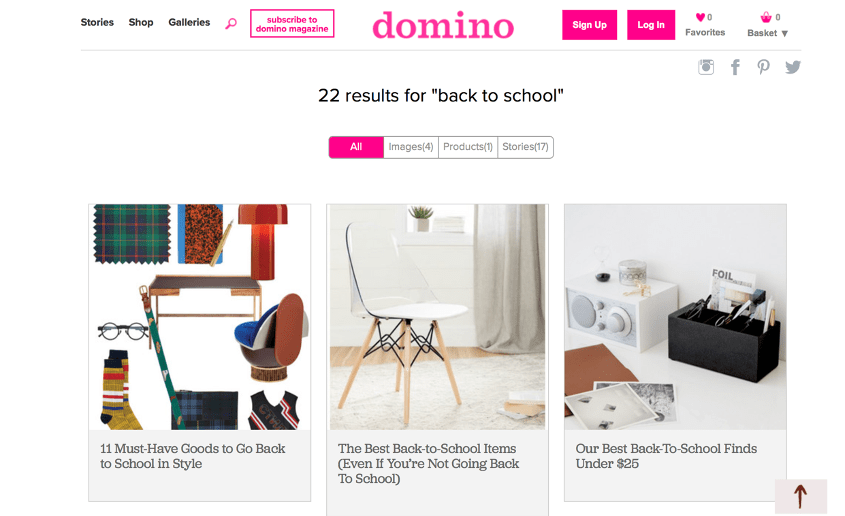
Home décor retailer, Domino publishes blogs that shows how their products can fit into the lives of customers. Although these articles promote Domino products, they also assist back-to-school shoppers find the ideal item they are looking for. This example also displays how a brand can use back-to-school shopping season to market to nonstudents with the middle blog titled “The Best Back-to-School Items (Even If You’re Not Going Back To School)”. (Emma)
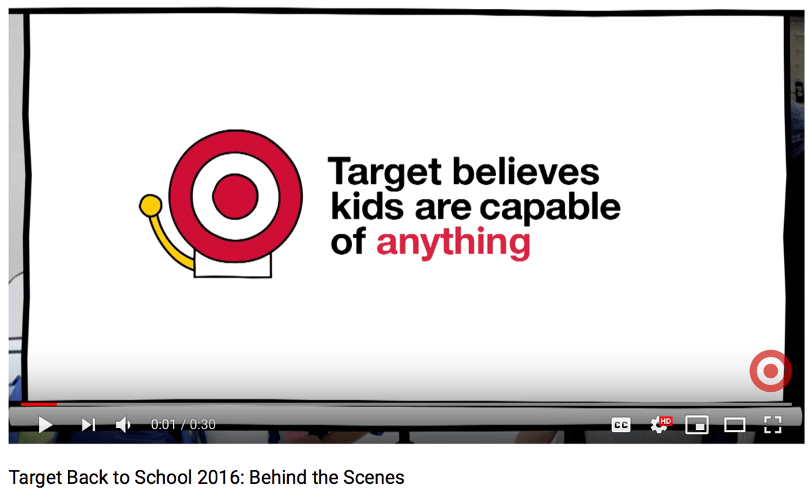
In 2016, Target handed its back-to-school marketing efforts to children. In the words of then executive vice president and executive creative director at Target ad agency Deutsch, Karen Costello: “What if we [Target] didn’t just say that we believed in the potential of kids and all the amazing things they’re capable of, but we actually proved it?” (FastCompany). User generated content is more trusted than branded content. Similar to Target, you can find ways to get your customers involved in your marketing efforts.
Okay fellow marketers, this class is over. Go out there and apply some of the things you learned and be sure to let us know if any of it came in handy!
 Ramiz Sayani