Brand Advocacy and the Power of Word Of Mouth Marketing
“Chick Fil A has great customer service.”
“In the south, we drink Coke.”
“I love Target.”
These are just a few examples you may have heard before of a concept called brand advocacy. It’s when your consumers favor and approve of your brand enough to naturally spread your message through word-of-mouth. You should aim to reach this, and there are steps you can start taking today get started.
Why Advocacy?
To start, it pays to create loyal customers. In fact, it’s at least five times cheaper to retain an existing customer then to acquire a new one (Harvard Business Review), and a 5% increase in retention rates increases profits by more than 25% (Bain & Company). Intuitively, loyal customers make repeat purchases and customer acquisition takes time, resources, and money.
But the power of brand advocacy goes beyond this. Advocates promote your brand through word-of-mouth marketing, and, despite your advanced and creative marketing efforts, they do it better than your brand ever can.
Consumers “discuss specific brands casually” around 90 times per week and 90% of individuals “believe brand recommendations from friends” (Hubspot). But consumers aren’t just having casual conversations, they’re significantly altering their purchase behaviors.
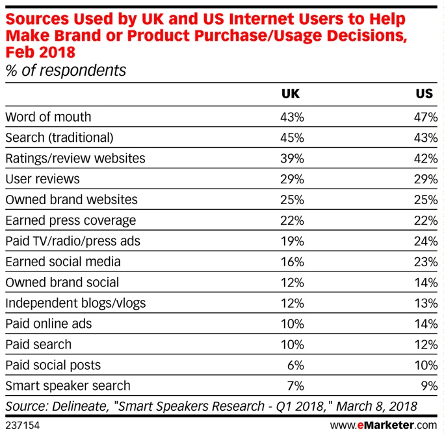
According to a 2018 Delineate study, recommendations from peers is the most common source of information consumers use before making a brand or purchase decision, beating out all forms of paid media at least two-fold.
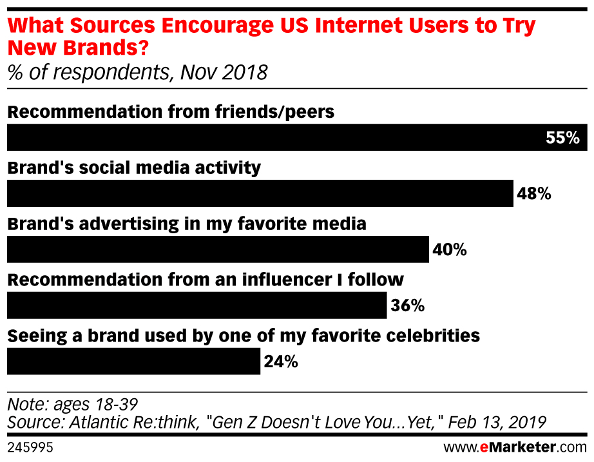
Going a step farther, according to a 2019 Atlantic Re:think study, word of mouth marketing is the most effective source to acquire new consumers.
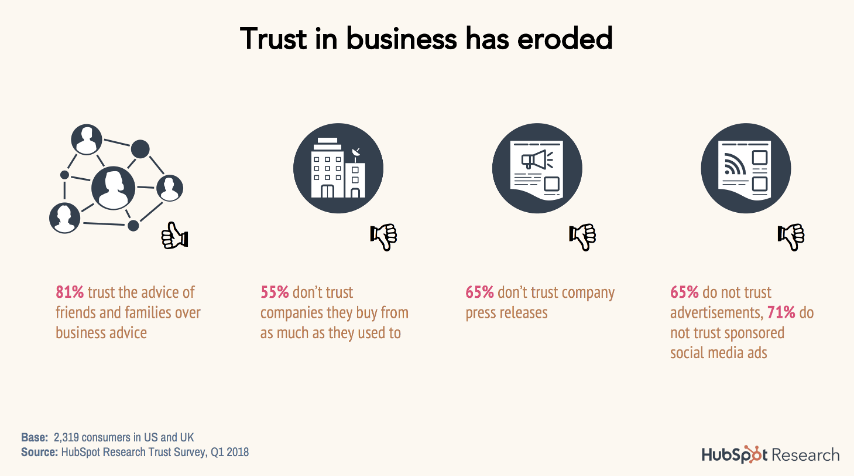
And to go a step even further, your consumers trust what their peers have to say about your brand a lot more than they trust your marketing.
Ultimately, you want your loyal, happy customers to talk about your brand as often as possible, but how can you inspire them to do so?
Awareness to Advocacy:
Although you can’t necessarily control each conversation your consumers have about your brand, you can control the way you make them feel throughout their buyers’ journey.
Your goal should be to ultimately progress consumers from Awareness to Advocacy. But what does this mean?
Remember the AIDA model? It looks like this.
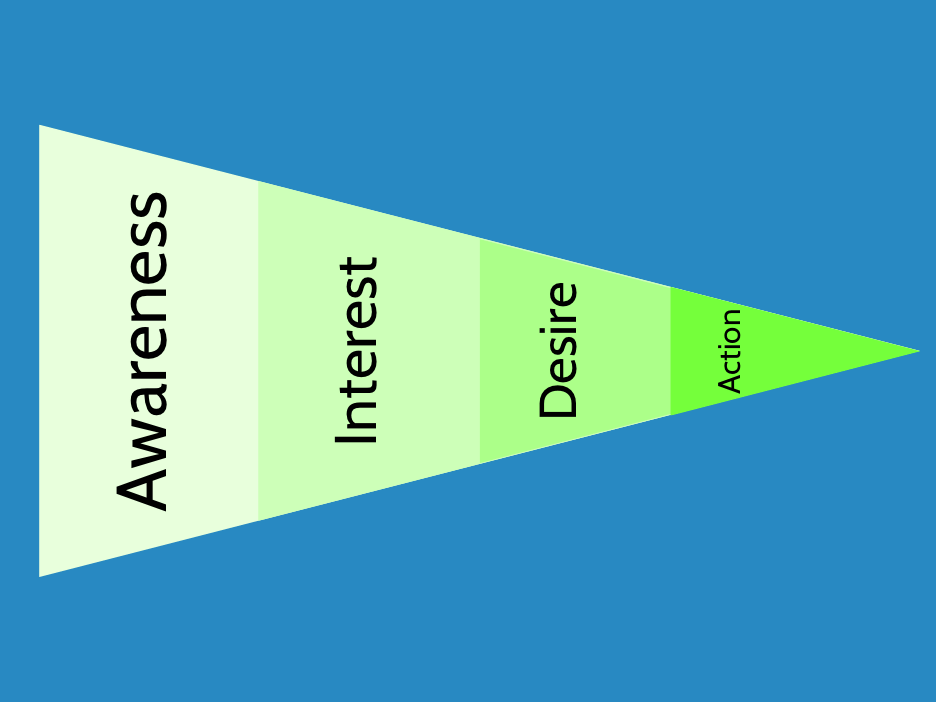
Well it’s a bit outdated. If you’re halting your marketing efforts after your consumers take action, you won’t effectively engender advocates and you’ll lose out on the post-purchase benefits of word-of-mouth marketing. Subsequently, you’ll spend more money marketing but attain fewer returns.
Instead your growth strategy should be a cycle where purchase is just one part of the process.
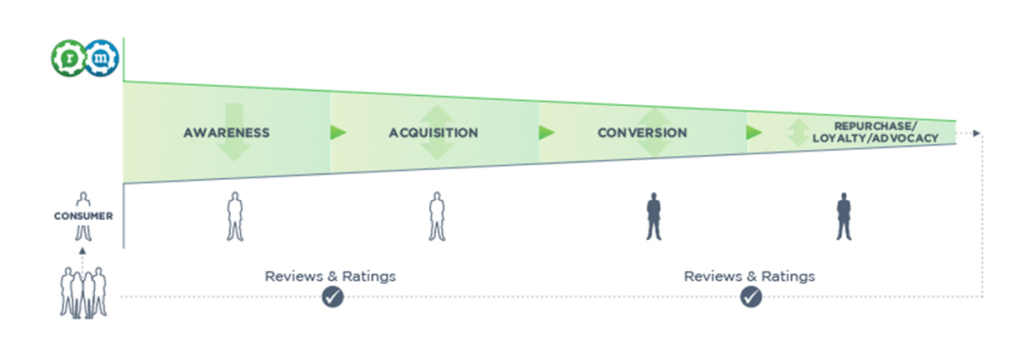
Your marketing efforts should aim to create long-term customers. Once you gained loyalty, you should continue to delight your customers to convert them into advocates. Your advocates will bring you new consumers through word-of-mouth anecdotes and online reviews, and you’ll have a chance at generating more sales and creating more advocates.
Considering the minimal acquisition costs of word-of-mouth marketing (acquisition can cost over five times more than retention, but word-of-mouth is essentially free) and the added benefits of customer retention (a 5% increase can lead to an over 25% increase in profits), investments in advocacy can lead to exponential growth.
As HubSpot mentions, you shouldn’t view your customers as simply an output to your marketing efforts, but instead an “accelerant” to grow your brand. In their interpretation, a flywheel is the ideal way to visualize this interaction.
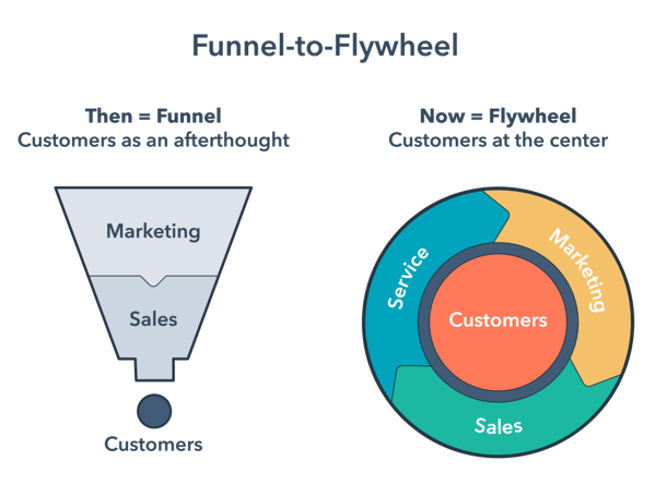
In this model, customers are at the center of the growth strategy, and marketing efforts are shaped around consumers’ needs to drive customer satisfaction. According to HubSpot, word-of-mouth isn’t fueled by providing a good product, but instead by providing a great experience.
Not Just Theory:
But don’t just take it from us. Let’s refer back to the three examples mentioned at the beginning to see some real-life benefits to an emphasis on customer experience.
Chick-fil-A
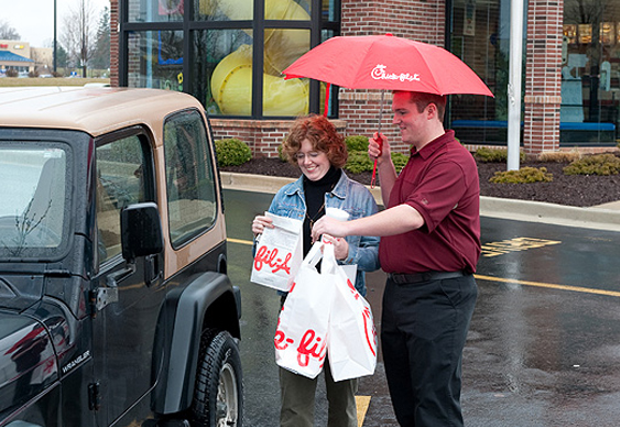
In 2018, Chick fil A’s emphasis on customer service earned it the top spot on the consumer satisfaction index over all other fast food chains for the third year in a row (ACSI). Chick fil A is synonymous with customer service from its expedited drive through process to its polite employees to its trademark “my pleasure”.
Translating this to sales, Chick Fil A locations earn more per store location than any other fast food chain, earning over $4 million. The next best is McDonalds, earning roughly $2.7 million per store location (Entrepreneur).
With only a little over 2,200 store locations Chick Fil A is the seventh highest grossing fast food chain and is projected to become the third highest grossing chain this year, only trailing McDonalds and Starbucks. To give some context, that is less than half the amount of store locations than any higher grossing competitor. McDonalds owns over 14,000 locations (Business Insider).
Coca-Cola
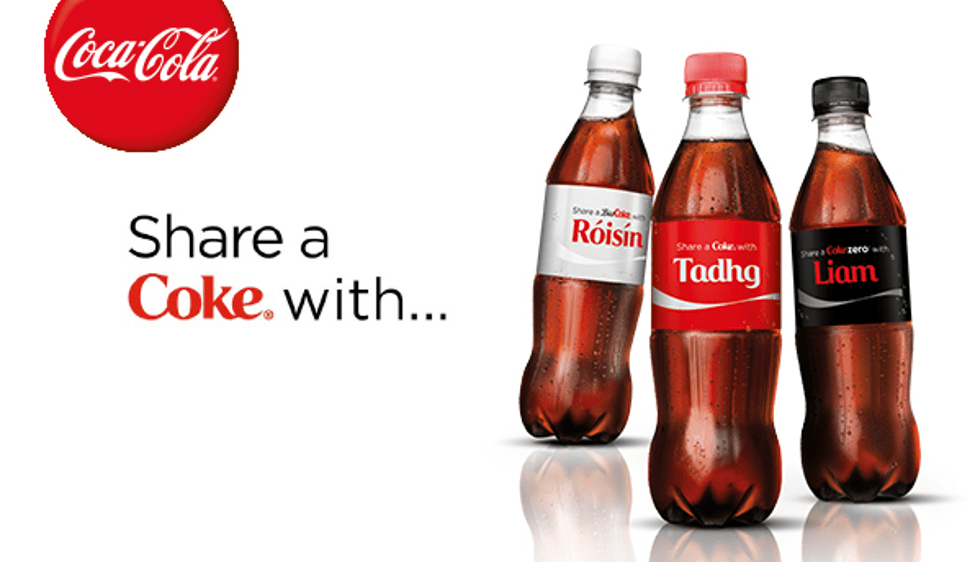
Coca Cola is sold in every country (besides Cuba and North Korea). It doesn’t matter who you are, everyone is connected by Coke. From its Share a Coke campaign to its #refreshthefeed social media positioning to its Ramadan and America the Beautiful Commercials, Coca Cola has used its global existence to focus its marketing on unity and consumer happiness instead of its product’s characteristics.
Transitively, Coca Cola holds the number six spot in global brand value sitting only under tech giants Apple, Google, Microsoft, Amazon, and Facebook (Forbes).
Target
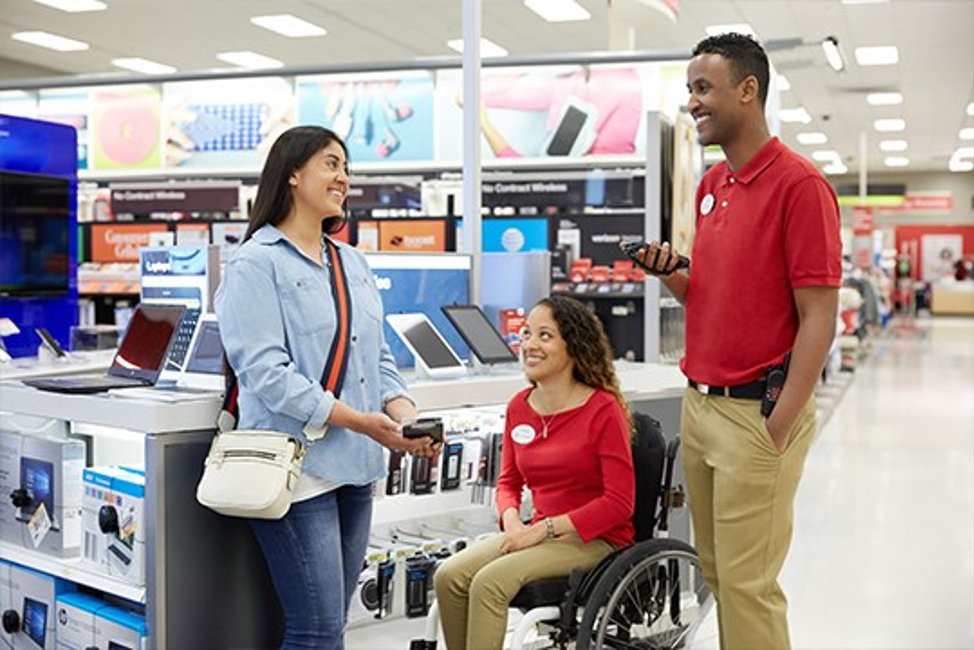
A page titled “the shopping experience” on Target’s corporate website states: “Big or small, our stores have one thing in common: They’re all Target.Guests can walk into a Target store of any shape or size and find great merchandise, helpful team members, clean, bright aisles and incredible value.” By highlighting consumer experience and customer service, Target has been able to compete with two of the world’s largest companies, Walmart and Amazon.
Despite being over five times smaller than Walmart (Investopedia) and, for certain items such as groceries, up to 20% more expensive (Business Insider), Target stores are generally more profitable than Walmart (Investopedia).
A 2013 TimeTrade study also found that most retailers saw a 25% to 50% increase in sales when its shoppers were assisted by “knowledgeable retail associates” (Forbes), and helpful team members part of Target’s shopping experience.
Seemingly, the key to brand advocacy is to provide your customers with a positive emotional experience, but the brands mentioned above have been national powerhouses for years. How can you start building a sentimental connection with your audience today?
Brand Advocacy 101:
With the help of our team and resident strategy experts, Jen Streck and Ashleigh Whitby, we’ve outlined four essential tactics brands should deploy to convert their customers into true brand advocates.
Learn Your Customers’ Values: To truly create advocacy, your brand must be greater than just your products. Ask yourself: which one of your brand pillars can potentially resonate with your audience? Take Nike for example. There’s an abundance of global sports retailers. Why is Nike the largest by far?

Nike’s mission statement is “to bring inspiration and innovation to every athlete in the world”, and in the words of Nike’s founder, Bill Bowerman, “If you have a body, you are an athlete” (Panmore). This way, although Nike’s objective is to sell sports gear, its marketing is aimed at inspiring regular people to chase their dreams. So, when you see someone wearing Nike gear, it may not be because she believes Nike offers better quality products than its competitors, but because she believes in reaching her potential. Similarly, your brand should learn the core values behind your customer’s demand for your product and find ways to embody them.
Meet Them Where They Are: If you’re investing in advocacy, you’re ultimately trying to become a consistent presence in the lives of your customers. So, it goes without saying that your customers will be a lot less likely to become advocates if they have to exert effort to communicate with your brand. For example, if your consumers tend to communicate with brands through social media, don’t focus your communication efforts on email. Alter your marketing to make it convenient for them. For example, in 2015, Snapchat launched Discover.
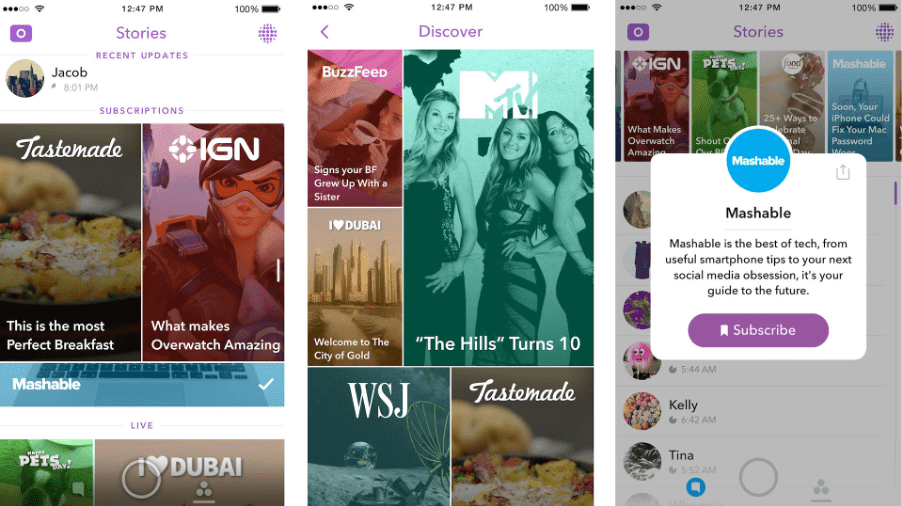
With around 75% of all 13 to 34 year old’s using Snapchat for around 25 to 30 minutes a day (Zephoria), brands such as Buzzfeed, Mashable, Sports Center, CNN, and more create and curate Discover content daily to reach their audience where they already spend their time.
Show Appreciation: When we say appreciation, we don’t just mean rewards. Make your customers feel genuinely valued and ensure that they’re are happy from awareness to well beyond post-purchase. Thank your customers, listen to your customers, learn from you customers, and give to your customers. To truly create advocacy, you shouldn’t view your consumers as a means to an end but instead the start of a relationship. This isn’t just empty advice. Take Domino’s for example. In 2010, Domino’s stock price was a little over $11 and their sales were struggling. In an effort to revitalize their brand, they launched their “oh yes we did” campaign where they heard out their customers complaints and completely reinvented their pizza recipe.
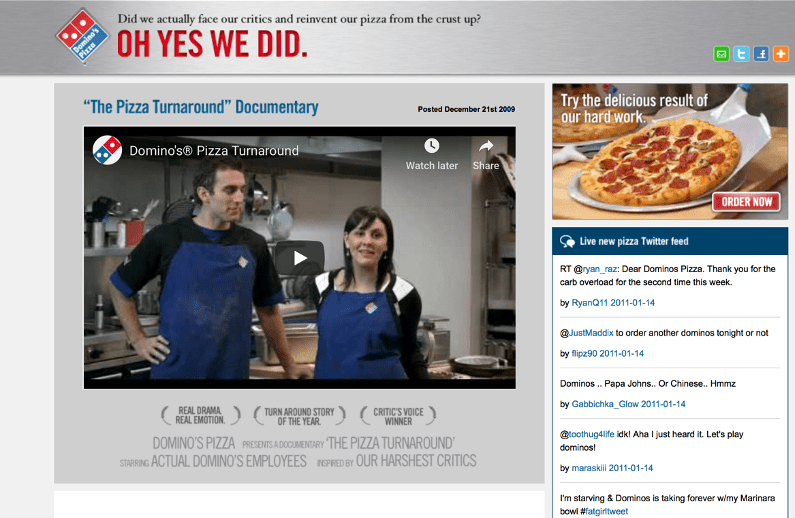
This was one of the primary factors that allowed them to become the second largest global pizza company with a stock price of $260 today (Forbes).
Your efforts don’t have to be as drastic, but your brand should always consider ways to show your customers how much you value them. This includes rewards programs, personalized discounts, return policies, customer service, social media interaction, social listening, and more.
Authenticity: Creating advocacy isn’t easy, and this may be one of the most difficult aspects. You can’t force authenticity. All advocacy efforts should be genuine and true to your brand values. A disingenuous effort will likely be sniffed out by mob of angry consumers and may hurt your long-term brand perception. For example, Pepsi and Airbnb both took stances on sensitive social issues, but the feedback they received couldn’t have been more contrasting.
In 2017, Pepsi attempted to support the Black Lives Matter movement by releasing a commercial featuring Kendall Jenner giving a Pepsi to a police officer immediately resolving civil tensions.
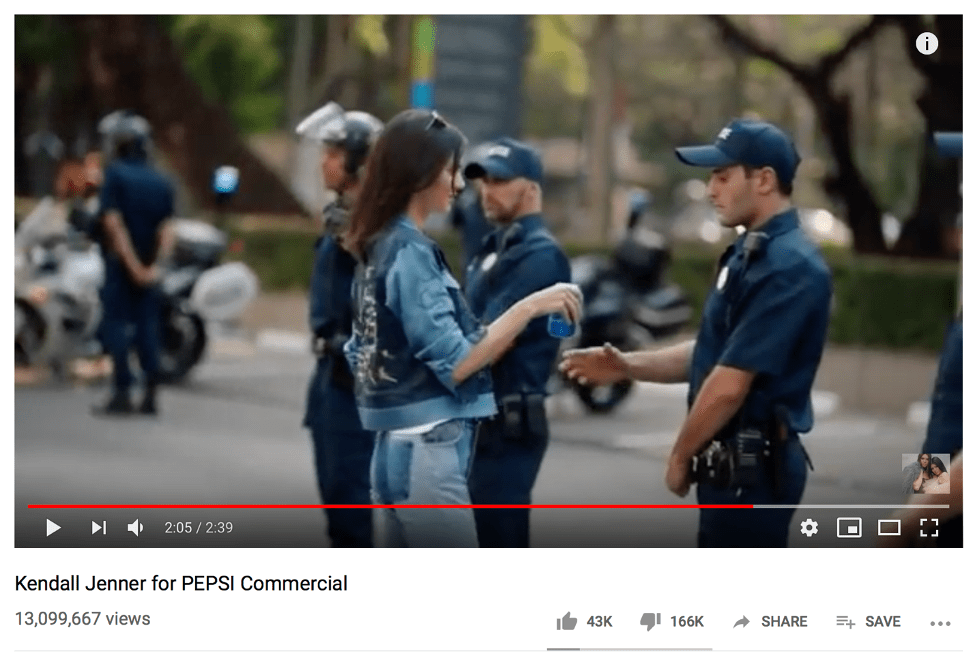
Pepsi’s commercial was met with immediate backlash with viewers stating that it trivialized the seriousness of the political environment. Pepsi immediately apologized and rolled back the advertisements admitting, “Clearly we missed the mark, and we apologize” (NBC News).
In the same year, Airbnb released a Superbowl commercial pledging to support refugees impacted by the migrant crisis with the hashtag #weaccept.
Airbnb’s commercial became its third largest “driver of Earned Impressions of all-time at over 87 million” and was met with an 85%positive sentiment (Shortyawards).
The reason one advertisement performed far better than the other was the authenticity. Yes, Airbnb profited off of the commercial, but they better showcased the gravity of the issue and acted on it by partnering with organizations to “provide free housing to refugees” (Airbnb).
Conclusion:
We’ve introduced you to advocacy, proven that it’s important, given real life examples to support our claims, and given you tips to get started. Now it’s your turn. Is investing in advocacy worth it for your brand? Can your product or service benefit with the power of word-of-mouth marketing? And are you ready to invest the time and recourses necessary to create an authentic advocacy focused strategy? Good luck and be sure to let us know if our information came in handy!
 Ramiz Sayani